
The Environmental Impact of Cappadocia Ballooning: Sustainable Tourism Practices
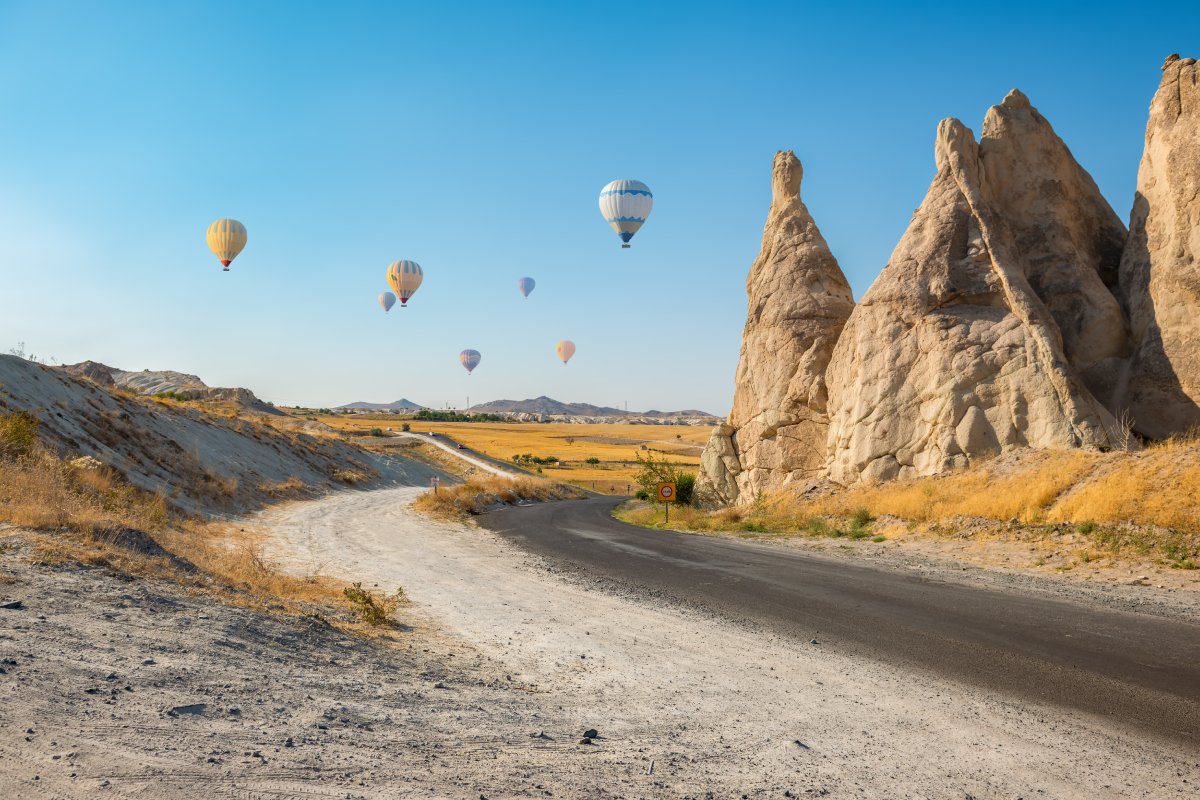
Cappadocia, Turkey, a land of fairy chimneys and breathtaking landscapes, is renowned for its unique geological formations and, of course, its spectacular hot air balloon rides. Each morning, hundreds of balloons ascend into the dawn sky, creating a mesmerizing spectacle that draws tourists from around the globe. However, this popular activity comes with environmental considerations that need careful attention. As responsible travelers, it's crucial to understand the impact of Cappadocia ballooning and support sustainable tourism practices that protect this precious environment for future generations.
Understanding the Environmental Footprint of Cappadocia Ballooning
While the sight of hot air balloons floating serenely over Cappadocia is undeniably magical, it's important to acknowledge the potential environmental impact associated with this activity. Several factors contribute to the overall footprint, including fuel consumption, noise pollution, and potential disturbance to the local ecosystem.
Fuel Consumption and Emissions
Hot air balloons rely on propane gas to heat the air inside the balloon, providing the lift needed for flight. The burning of propane releases carbon dioxide (CO2), a greenhouse gas that contributes to climate change. While individual balloon flights may seem insignificant, the cumulative effect of hundreds of balloons taking to the skies daily can be substantial. Operators are exploring alternative fuel sources and optimizing flight paths to minimize fuel consumption and emissions. By choosing companies that prioritize these efforts, visitors can contribute to a more sustainable ballooning experience.
Noise Pollution
The roar of the propane burners can create significant noise pollution, especially during the early morning hours when balloons are launched. This noise can disrupt the natural tranquility of the region and potentially affect local wildlife. Sustainable operators are implementing measures to reduce noise levels, such as using quieter burners and limiting flight times in sensitive areas. Consider joining a Balloon Watching Tour if you prefer a quieter experience and still want to witness the beauty of the balloons.
Impact on the Local Ecosystem
Balloon landings, while generally safe, can sometimes impact agricultural land and vegetation. Unpredictable winds can occasionally force balloons to land in cultivated fields, potentially damaging crops. Responsible operators work closely with local farmers and landowners to minimize any potential disruption and compensate for any damages that may occur. They also adhere to strict flight paths and landing zones to avoid sensitive ecological areas. Additionally, the sheer volume of tourists visiting Cappadocia for ballooning can put a strain on local resources, such as water and waste management systems.
Sustainable Tourism Practices in Cappadocia Ballooning
Fortunately, many ballooning companies in Cappadocia are committed to sustainable tourism practices and are actively working to minimize their environmental impact. These practices include:
- Investing in Fuel-Efficient Technology: Many operators are upgrading their equipment with more fuel-efficient burners and balloons, reducing propane consumption and emissions.
- Optimizing Flight Paths: Careful planning of flight paths can minimize fuel usage and avoid sensitive ecological areas.
- Supporting Local Communities: Sustainable tourism involves supporting local businesses and communities. Many operators source their supplies locally and employ local staff, contributing to the region's economic well-being.
- Offsetting Carbon Emissions: Some companies offer carbon offsetting programs, allowing passengers to contribute to projects that reduce greenhouse gas emissions.
- Promoting Responsible Waste Management: Operators are implementing measures to reduce waste and promote recycling among passengers and staff.
- Educating Passengers: Many companies provide information to passengers about sustainable tourism practices and the importance of protecting the environment.
Choosing a Sustainable Ballooning Operator
When planning your Cappadocia balloon ride, it's essential to choose an operator that is committed to sustainable tourism. Here are some factors to consider:
- Check for Certifications: Look for operators that have been certified by reputable sustainability organizations.
- Read Reviews: Pay attention to reviews from other travelers, looking for mentions of sustainability practices.
- Ask Questions: Don't hesitate to ask operators about their environmental policies and practices.
- Consider Smaller Group Sizes: Smaller balloons often have a lower environmental impact per passenger.
You can explore different Balloon Tours available and compare their sustainability efforts. If you are also interested in other activities, check out the Day Trips & Activities or Multi-Day Tours for a complete Cappadocian experience.
The Future of Sustainable Ballooning in Cappadocia
The future of ballooning in Cappadocia depends on a collective effort from operators, tourists, and local authorities to prioritize sustainability. By embracing innovative technologies, implementing responsible tourism practices, and educating visitors about the importance of environmental protection, we can ensure that this magical experience remains sustainable for generations to come. As the demand for eco-friendly travel grows, more and more operators are likely to adopt sustainable practices, making it easier for travelers to make responsible choices.
Ultimately, responsible travel is about respecting the environment and supporting local communities. By choosing sustainable ballooning operators in Cappadocia, you can enjoy the breathtaking beauty of this region while minimizing your environmental impact and contributing to a more sustainable future.